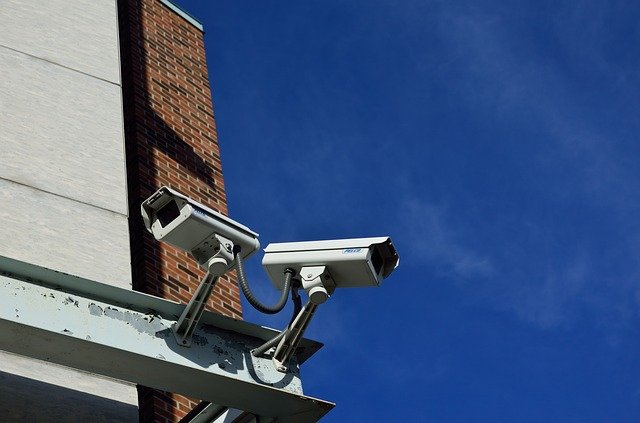
Video surveillance
Video surveillance can be performed for several purposes, such as: for personal / domestic activities, for ensuring public / state security, as well as for official / business purposes. The rules of personal data protection do not apply to video surveillance used exclusively for personal or household activities, or when the processing is related to public safety, defense, state security or the implementation of criminal law. Video surveillance in offices or business premises can be performed in order to achieve precisely defined goals:
- protection of life or health of people;
- protection of property;
- protection of the life and health of the employees due to the nature of the work; or
- providing control over the entry and exit of office or business premises only for security purposes.
It is forbidden to perform video surveillance in wardrobes, changing rooms, toilets and other similar rooms. The performance of video surveillance necessarily requires the display of clear and visible reporting in order to get acquainted with the fact that video surveillance is performed in a certain area. The recordings are kept until the fulfillment of the purposes for which they are performed, but not longer than 30 days, unless another law provides for a longer period.
For the performance of the video surveillance in simple and multi-apartment buildings, a written statement of consent of at least 70% of the total number of owners and tenants of apartments is required. It is forbidden to record the entrances of the individual apartments of other owners and tenants. It is also prohibited to transfer video surveillance footage to simple and multi-apartment buildings via cable television (public or internal network), the Internet or other electronic means of data transmission.
If you need legal help regarding video surveillance, click here to find out more.